A Comprehensive Guide to Understanding the Seiko SSC955P1
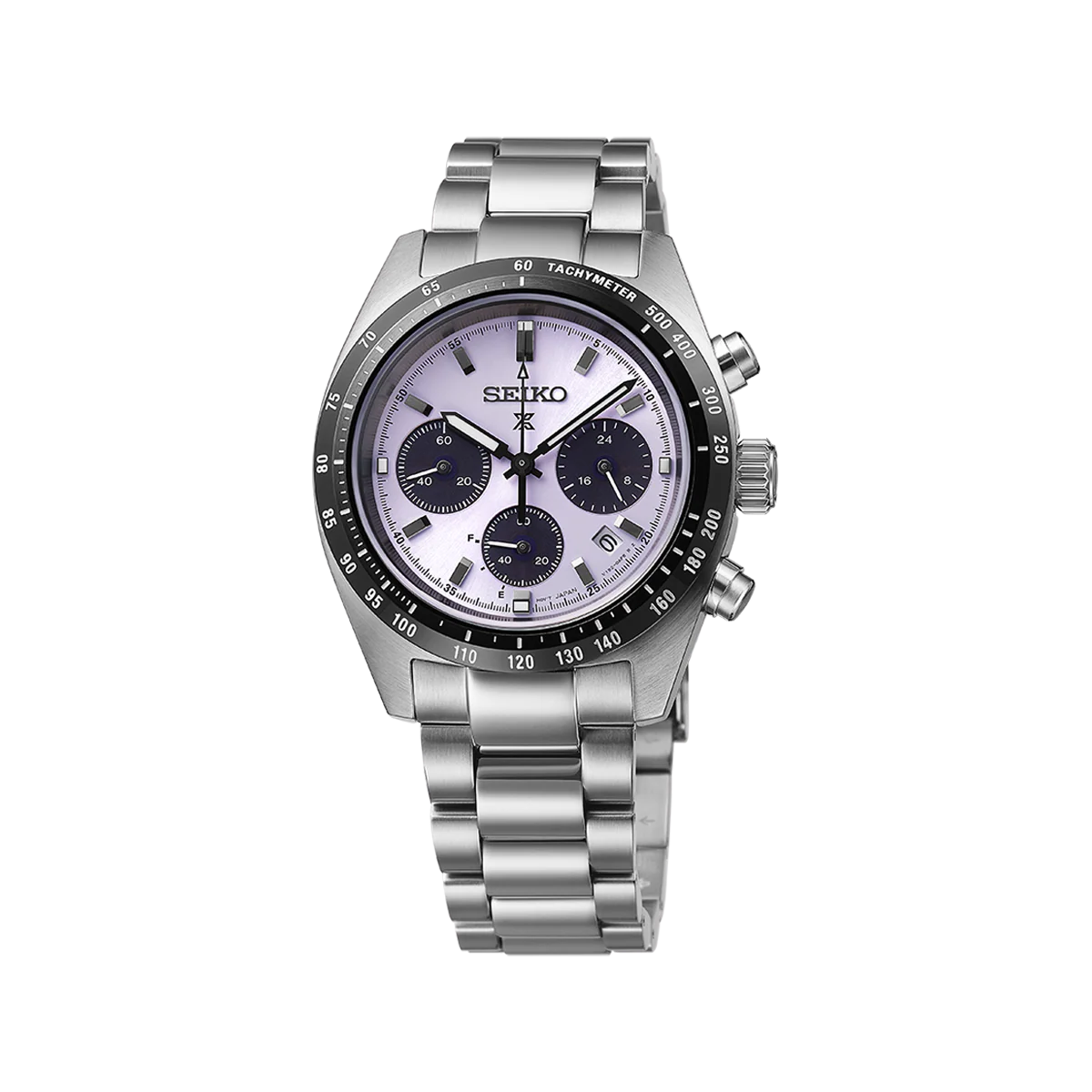
The Seiko SSC955P1 is a watch that has quietly built interest among everyday wearers, enthusiasts, and people who appreciate practical, modern timekeeping. While it does not rely on flashy marketing or extravagant design, it stands out for the way it brings solar technology, chronograph functionality, and balanced styling into one cohesive package. This guide explores the SSC955P1 from multiple angles—its design logic, movement behavior, everyday utility, strengths, and considerations—allowing readers to form a well-rounded understanding of what the watch offers and how it fits into contemporary watch usage. Rather than telling readers what to buy, this guide aims to provide clarity, orientation, and useful insights for anyone evaluating the watch or simply wanting to understand it more deeply.
The first step in understanding the SSC955P1 is recognizing its place within Seiko’s broader solar chronograph lineup. Seiko’s solar watches are built around the principle of capturing ambient light—both natural and artificial—and converting it into energy stored in a rechargeable cell. This technology is designed to eliminate the inconvenience of battery replacements while preserving the accuracy expected from quartz watches. The SSC955P1 is part of the ongoing evolution of this technology, representing a point where reliability, efficiency, and functional design intersect. For a user, this means the watch is intended to operate with minimal maintenance while delivering precise timekeeping throughout regular wear.
Design plays a central role in the SSC955P1’s appeal. The watch features a structured dial layout with clear indices, sub-dial placement that supports the chronograph function, and a balanced case that suits a wide range of wrist sizes. When evaluating a watch as a potential daily companion, legibility may be one of the most important factors. The SSC955P1 emphasizes this by using strong contrast, thoughtfully selected markers, and sub-dials that do not overpower the main time elements. Understanding this design approach helps users determine how well the watch might perform in different lighting environments, work settings, or outdoor conditions. The guiding idea behind the design is clarity first, decoration second—something that becomes more evident the longer one wears or observes the watch.
One of the defining characteristics of the SSC955P1 is its chronograph functionality. Chronographs are often misunderstood as complex features used only by professionals or hobbyists, but in reality, their utility extends to everyday life. The chronograph on this watch allows the wearer to measure elapsed time in straightforward segments—seconds, minutes, and sometimes hours depending on the specific scale. For individuals who enjoy tracking short tasks, workouts, cooking intervals, or commuting times, the chronograph adds a practical tool. Getting familiar with the pushers and the tactile feedback they provide is an important step for new users. In many cases, the responsiveness of these pushers can influence the overall satisfaction with the watch’s functionality. The SSC955P1 aims to keep this process intuitive, making it suitable even for those who have never used a chronograph before.
Solar technology is a major talking point for anyone evaluating the SSC955P1, and understanding how it behaves is essential. A solar watch does not need constant direct sunlight; instead, it charges from ordinary interior lighting as well. However, different light sources recharge the watch at different speeds, meaning that users benefit from some basic charging habits. For example, keeping the watch near a window while it is not being worn can shorten charging times. Once fully charged, the SSC955P1 can store power for months, depending on the internal specifications. This generous power reserve is particularly useful for individuals who rotate between multiple watches, as it ensures that the watch remains ready even after periods of non-use. Learning how the watch signals its low-power state is another key aspect of this guide; solar watches typically have indicators such as a two-second hand jump that warns the wearer that charging is necessary.
The case and crystal construction of the SSC955P1 contribute to its practicality as a daily-wear watch. Stainless steel is widely used for its durability, corrosion resistance, and moderate weight. For many users, understanding how steel reacts to daily impact helps set realistic expectations. While stainless steel resists wear and light abrasion, it is not immune to micro-scratches that come from rubbing against surfaces or other metal objects. This is natural and generally part of the character that a watch develops over time. The crystal—often made of Hardlex in Seiko’s mid-range watches—offers a combination of scratch resistance and impact resilience. Understanding this balance helps wearers decide whether they need to take extra precautions or whether the watch meets their expectations for long-term durability.
Water resistance is another consideration worth understanding. While specific ratings vary, the SSC955P1 is built to withstand everyday encounters with moisture such as splashes, sweat, or hand washing. However, water resistance does not make a watch invincible. Users benefit from understanding that water resistance depends on the integrity of the gaskets and seals, and these seals naturally age over time. As part of long-term ownership, periodic checks ensure the watch maintains its protective capabilities. Such guidance helps owners set appropriate expectations about where and how the watch should be worn, as well as what activities are safe.
Comfort is a major part of wearing any watch, and the SSC955P1’s proportions are intended to accommodate a wide variety of wrist sizes. When assessing comfort, users should take into account several factors: case diameter, lug-to-lug length, case thickness, and bracelet design. The SSC955P1 is structured to distribute weight evenly, avoiding the overly heavy sensation common in larger chronographs. The bracelet or strap attached to the watch also plays a significant role in comfort. Many users may choose to experiment with different straps—leather, rubber, nylon, or metal—to find the one that feels most natural on the wrist. Knowing how to change straps safely is a useful skill, as it allows for personalization without risk to the watch’s spring bars or case edges.
The appearance of the SSC955P1 lends itself to flexibility, adapting to a range of settings from casual wear to work environments. While appearance plays a subjective role in any purchase decision, understanding how the watch’s colors, textures, and proportions interact with clothing can help users envision its long-term wearability. Watches that are too bold or specialized may feel limiting over time, whereas watches like the SSC955P1—with more neutral character—tend to adapt more easily to changing personal styles. Making choices about wardrobe pairing and strap combinations is a practical extension of understanding the watch as a daily accessory.
Maintenance considerations play a large role in watch longevity. One benefit of solar watches like the SSC955P1 is their reduced need for regular servicing compared to mechanical watches. However, they still require occasional care. Cleaning the case and bracelet with a soft cloth helps preserve its appearance, and avoiding exposure to harsh chemicals protects the seals and finish. Storing the watch in a dry environment and giving it regular access to light ensures optimal performance. This guide encourages users to see maintenance as a simple habit rather than a burden—small, regular actions that preserve the watch’s functionality over many years.
While the SSC955P1 does not position itself as a luxury piece or a collector’s item, it appeals to those who value practicality and consistency. Understanding how the watch fits into broader watch categories can help readers frame their expectations. It is not a dive watch, not a dress watch, and not a specialized professional instrument; instead, it belongs to the everyday chronograph category—a versatile group built for general-purpose wear rather than niche activities. This categorization helps users see where the watch excels and where it is not intended to be pushed beyond its engineering limits.
Another part of guiding potential users is acknowledging the learning curve associated with multi-function watches. Reading the chronograph, understanding how to reset it, interpreting the sub-dials, and tracking the power reserve are all small skills that enhance the ownership experience. The SSC955P1 is structured to make these actions intuitive, but new users still benefit from familiarizing themselves with the manual layout and practicing button operations. Taking a few minutes to observe the dial’s structure, test the chronograph, and understand the visual hierarchy helps transform the watch from a simple tool into an object the wearer can fully utilize.
The broader purpose of this guide is not to persuade but to clarify: watches like the SSC955P1 reward users who appreciate thoughtful design and reliable technology. Its features are not built to impress through complexity but through consistency. Individuals evaluating this watch can make more informed decisions by understanding how solar power functions, how chronograph mechanisms behave, how materials wear over time, and how proportions influence comfort. Whether someone is exploring solar technology for the first time or expanding their understanding of chronograph watches, the SSC955P1 serves as a practical case study for learning about these concepts.
In conclusion, the Seiko SSC955P1 stands as a balanced example of a modern solar chronograph. Its design prioritizes legibility, its technology promotes independence from frequent maintenance, and its build aims for everyday durability. A guide on this watch must emphasize knowledge, not persuasion—and learning about its structure, behavior, and practical considerations allows readers to place it within their own lifestyles realistically. The watch does not attempt to be extravagant or luxurious; instead, it is steady, functional, and consistent. For anyone seeking a grounded understanding of how the SSC955P1 operates and what it represents in the world of everyday timekeeping, this guide provides the essential context needed to appreciate the model from a practical point of view.


Comments
Post a Comment