Seiko SSC955P1: A News Insight Into the Rise of Modern Solar Chronographs
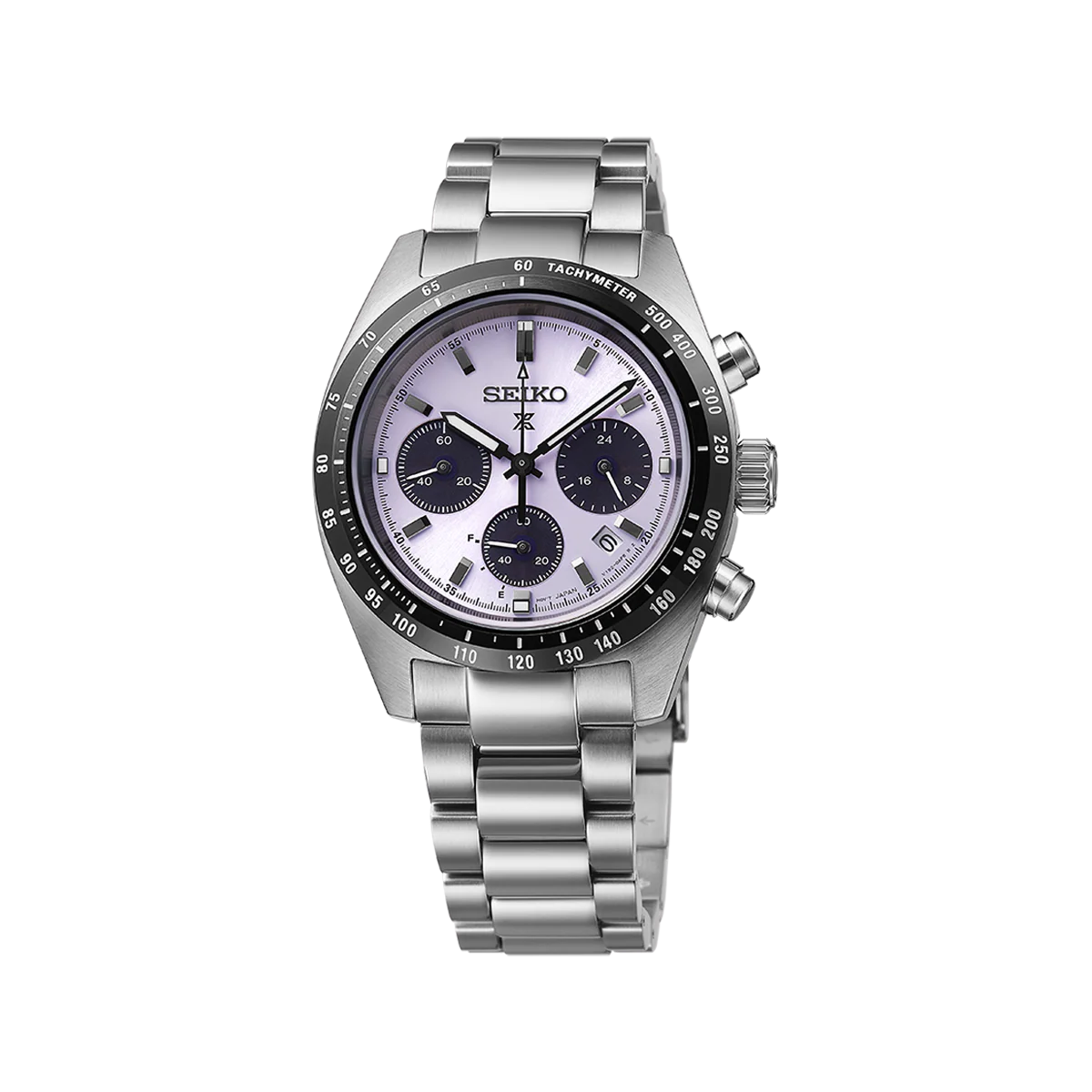
In a period where watchmakers are redefining their approach to sustainability, functionality, and long-term usability, the Seiko SSC955P1 has entered the conversation as a noteworthy example of this shift. While not released with dramatic fanfare, the model has gradually gained attention across industry observers who see it as part of a larger trend: the growing movement toward solar-powered chronographs in mainstream watchmaking. Unlike the high-profile launches that dominate headlines, the SSC955P1 has made its way into news cycles through a steady stream of consumer reports, design discussions, and technological analyses. The conversation around this watch reveals wider changes occurring both within Seiko’s ecosystem and the global watch community, marking it as a point of interest rather than just another catalogue addition.
Industry analysts have noted that the SSC955P1 reflects an emerging preference for watches that require minimal maintenance while offering multifunction capabilities. For several years, sustainability has been a recurring topic in watch manufacturing, but the practicality of solar charging technology has pushed that discussion into a more concrete direction. The SSC955P1, powered by light rather than conventional batteries, has therefore become part of a series of watches being cited as evidence that solar mechanisms are entering a new phase of relevance. Commentary from watch forums and trade observers suggests that this is not simply a temporary trend but part of a broader movement toward more self-sufficient timekeeping devices. The watch, therefore, serves as an example of a quiet but steady pivot in the industry’s focus.
Beyond technological relevance, the physical design of the SSC955P1 has appeared in design briefings and trend reports for its measured and contemporary presentation. Unlike many chronograph releases that emphasize aggressive styling or oversized case proportions, this model adopts a more balanced approach—something that analysts say mirrors the current shift toward wearable, understated watches. News features about changing consumer preferences frequently highlight the desire for watches that offer utility without drawing unnecessary attention. The SSC955P1, with its structured dial layout and restrained case silhouette, has increasingly been referenced in discussions about these evolving aesthetic expectations.
Reports from retail watch networks indicate that the presence of multiple sub-dials and chronograph features has added to the interest around this model, largely because of its connection to a resurgence in chronograph demand. The chronograph, long considered a classic feature associated with timing precision and mechanical charm, has resurfaced as a focal point for many watch buyers. While today’s chronographs are mostly quartz-powered rather than fully mechanical, industry commentary shows that users value the functional symbolism attached to the complication. In coverage dedicated to multifunction watches, the SSC955P1 is frequently cited as an example of a modern interpretation of traditional chronograph principles, providing accessible timing features in a format suited to contemporary life.
Journalists covering the watch market have also pointed to the case construction and material choices of the SSC955P1 as elements that reflect broader manufacturing strategies. Stainless steel remains one of the most common materials used in mid-range watches, but the finishing techniques—alternating polished and brushed surfaces—have been discussed as signs of how brands are differentiating models without resorting to luxury pricing. Trade publications have noted that many modern releases are experimenting with surface treatments to heighten visual interest. The SSC955P1 aligns with this wave, appearing in reports that document how brands enhance durability and aesthetics through modest but effective refinements rather than dramatic overhauls.
As global conversations about consumer habits emphasize convenience and longevity, solar-powered watches like the SSC955P1 have been highlighted as devices that bypass the inconvenience of battery replacements. Commentators writing about environmental considerations in product design have pointed to the use of rechargeable cells in watches as an example of slow but steady improvements in everyday technology. According to several expert analyses, solar watches are becoming more prevalent not only because they reduce maintenance costs but also because they align with consumer expectations of self-sustaining devices. While the SSC955P1 is far from the first model to operate on solar power, it is frequently mentioned in discussions about modernizing traditional watch features without compromising reliability.
In industry news discussions about competition among brands, the SSC955P1 has occasionally been brought up when comparing approaches to balancing affordability, technological relevance, and long-term usability. Analysts often observe that brands are looking for ways to distinguish models in an increasingly crowded market where digital devices share attention with analog ones. Solar chronographs represent a category that blends traditional form with modern expectations, and coverage suggests that the SSC955P1 serves as part of a larger movement toward hybridized watch principles. It maintains recognizable chronograph styling while incorporating power-generation technology that speaks to contemporary expectations.
Market reports have indicated that user feedback about readability and dial arrangement has become a significant metric in evaluating modern watch releases. The SSC955P1’s dial, often described in news commentary as clean and structured, aligns with discussions about how manufacturers balance aesthetics with practicality. Readers of industry news have seen increasing interest in watches with clear, easily interpreted displays, especially as consumers return to analog timepieces not just for style but for functional daily use. The SSC955P1 has therefore appeared in several comparative articles examining how brands optimize sub-dial placement, index clarity, and case proportion.
Meanwhile, broader analyses of watch durability continue to play a role in how new models are reported. Industry writers have highlighted the increasing demand for watches that can withstand daily conditions without belonging to the specialized “tool watch” category. The SSC955P1, with its steel case and commonly robust crystal, is cited as an example of a modern general-purpose watch that offers reliability without the weight or size associated with extreme-use models. Conversations around everyday wearables often place emphasis on water resistance, shock protection, and case integrity—all areas where the SSC955P1 is mentioned for maintaining practical thresholds without straying into over-engineered territory.
News features also explore how new watch releases fit into brand history and philosophy. In this context, the SSC955P1 appears in articles examining Seiko’s long-standing relationship with solar technology. Seiko has decades of experience developing solar timepieces, and analysts often refer to the SSC955P1 as part of the continuation of that legacy. These discussions tend to frame the watch not as a groundbreaking release but as an incremental step—a reinforcement of a trajectory Seiko has been following for years. Such commentary often appears in retrospectives that map how particular brands evolve their product lines in response to shifting market expectations.
Across international watch communities, the SSC955P1 has also appeared in user-led reports and media discussions about wear comfort. In recent years, comfort has gained attention as a key factor influencing purchase decisions, prompting journalists to include ergonomic considerations in their coverage. Reports describe the SSC955P1’s moderate dimensions and weight distribution as aligning with the current emphasis on wearable proportions, a shift away from the oversized watches that previously dominated the market. Articles focused on consumer behavior indicate that many users prefer watches they can wear throughout the day without fatigue, making comfort an important talking point in coverage surrounding the model.
Another area where the SSC955P1 has surfaced in the news relates to strap adaptability and style versatility. While the watch often ships with a stainless-steel bracelet, analyses have highlighted how its neutral dial and balanced case shape accommodate a range of strap options. In lifestyle and fashion-related watch features, journalists note that adaptable watches are gaining traction as consumers seek pieces that transition easily between different settings. The SSC955P1 is frequently used as a reference in these discussions to illustrate how a single model can support various personal styles without appearing inconsistent.
In technological coverage, solar movement efficiency has been a recurring topic of interest, particularly as watchmakers continue refining rechargeable energy cells. Articles discussing advancements in quartz reliability and long-term energy storage often use watches like the SSC955P1 to underline the progress made in extending power reserves. Writers have emphasized how modern solar watches can maintain charge for several months without exposure to direct light, indicating significant improvements compared to earlier generations. The SSC955P1, therefore, represents an intersection of progress in both design and functionality, reinforcing the narrative that solar timekeeping has matured into a dependable technology.
As discussions about analog timekeeping’s relevance continue in the digital age, the SSC955P1 frequently appears in pieces exploring why non-connected watches remain meaningful to consumers. News commentary suggests that beyond simple nostalgia, users appreciate the predictability and independence of analog watches. Solar chronographs in particular illustrate how traditional timekeeping can incorporate subtle modern enhancements without relying on screens or software updates. The SSC955P1 becomes symbolic in these articles—not as a standout flagship, but as representative of a category that blends legacy principles with contemporary practicality.
In coverage related to global watch trends, the SSC955P1 is often mentioned when charting the popularity of hybrid models that merge familiar design language with updated technology. Research briefs on consumer behavior show that many buyers gravitate toward watches that feel timeless but still incorporate subtle innovations. Chronographs, with their established heritage and recognizable structure, serve as ideal candidates for such hybridization. The SSC955P1 fits neatly into this narrative, illustrating how brands continue evolving traditional designs to suit present-day expectations.
Taking into account the broader journalism that touches on manufacturing, sustainability, user habits, and industry transitions, the SSC955P1 ultimately emerges as a watch that reflects several ongoing narratives rather than initiating its own. While it may not have been introduced with major announcements or sweeping claims, its presence across contemporary watch reporting highlights how incremental innovation continues to shape the industry. In the end, what makes the SSC955P1 newsworthy is not loud marketing or disruptive technology but its alignment with the quiet, steady transformation occurring within modern watchmaking. It stands as a representation of where solar chronographs currently sit in the timeline of horological development—reliable, relevant, and increasingly part of everyday discussion in the evolving landscape of analog timekeeping.


Comments
Post a Comment